

When "More Mice" Is Actually a Good Sign
Plug in a mouse repeller, then suddenly notice more mice running around the kitchen or garage? That moment is stressful, and it is easy to think the device made everything worse. In reality, what you are seeing is often part of how this kind of technology works, not a failure of the product. When a plug-in mouse repeller starts doing its job, the first phase can look messy before it becomes calm.
At Riddex, we focus on electronic and natural pest control, so we talk to a lot of people during this exact stage. This article explains why you might see more mouse activity at first, what is considered normal, and when it is time to add extra steps. Our goal is to help you understand what your plug-in mouse repeller is actually doing, so you can make smart choices instead of panicking and unplugging it too soon.
How Plug-in Mouse Repellers Actually Work
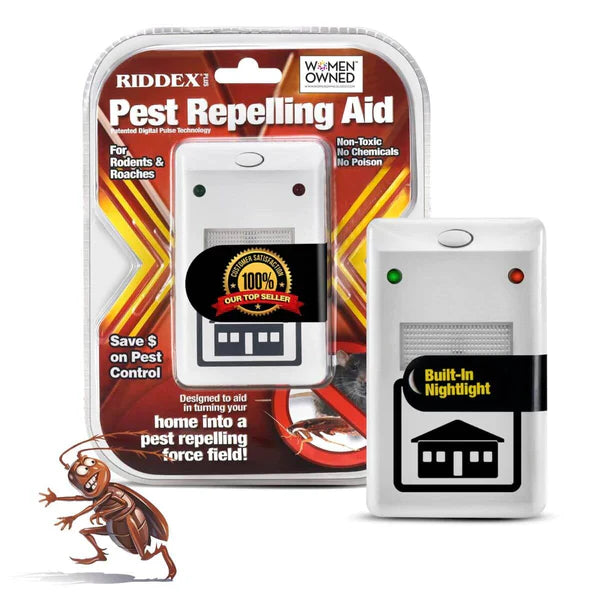
To understand the early surge in mouse sightings, we need to look at how these devices work. A plug-in mouse repeller does not magically erase mice from your home. It changes the environment so that your space becomes uncomfortable for them, which encourages them to leave.
There are two common technologies in many electronic repellers. Electromagnetic units work through your home's electrical wiring, sending pulses that create an irritating environment inside walls and hidden voids where mice like to nest. Ultrasonic units send out high-frequency sound waves that people and most pets cannot hear, but rodents tend to dislike. Some products focus on one technology, and some combine both.
These devices repel and disrupt, but they do not trap or kill mice directly. That is a key point. When the signals start, nests hidden behind drywall, under cabinets, or in crawlspaces become less cozy. Mice that were quietly living out of sight begin to move, scouting for calmer areas in the house or outside. That movement is what you suddenly see along baseboards, behind appliances, or in the garage.
For most homes and small businesses, a plug-in mouse repeller works best as part of a low-toxicity strategy, not as a solo hero. When we treat the environment with sound and electromagnetic signals, then back it up with good sanitation, basic repairs, and sometimes traps, we usually get steadier and faster results than with any single method on its own.
Why You Might See More Mice at First
When a plug-in mouse repeller kicks in, we sometimes describe it as a chasing out effect. The signals start to bother mice in their quiet nesting spots, so they head out to look for somewhere else to live. They leave the wall void, cross the attic floor, or move along open surfaces they may have avoided before. To you, it feels like there are suddenly more mice, but most of them were already there, just hiding.
This shift usually happens over the first several days and can last into the first couple of weeks. During that time, it is common to notice more droppings, more nighttime noises, or even the occasional daytime sighting in areas that did not seem active before. As mice decide the treated zones are not worth the trouble, they tend to relocate to other parts of the building or outdoors if those spots feel safer and offer food.
Certain conditions can make this temporary surge stronger. Heavier infestations mean more nests to disturb. Cluttered storage rooms give mice extra cover as they move around. Easy food sources, like open pantry goods, pet food left out overnight, or overflowing trash, will keep them trying to tough it out even while the signals bother them.
It is understandable to feel like the device is failing at this stage, but in many cases the opposite is true. That burst of activity is often one of the first signs that the environment is changing in a way that mice do not like.
Normal vs. Not Normal: What Results to Expect
Setting expectations up front makes it much easier to decide whether your plug-in mouse repeller is on track. You can think of the process in phases, assuming the device is installed and used according to its directions.
Typical timelines can look like this:
- Days 1 to 7: Initial disruption, when movement and noise may increase.
- Weeks 2 to 4: Gradual decline, when droppings, gnaw marks, and regular sightings should start to taper off.
- Weeks 5 and beyond: Many homes notice only occasional signs, if any, in treated areas.
Normal results often include:
- Mice acting jumpier or more hesitant in places where they used to move freely.
- Random sightings that become less frequent over time.
- Reduced new damage or droppings compared with the first week.
On the other hand, some warning signs suggest you may need extra steps along with your plug-in mouse repeller:
- Activity that stays the same or gets worse after 4 to 6 weeks of consistent use.
- Strong, persistent odors like urine or musk that signal a significant nesting population.
- Daytime activity, lots of fresh droppings, or clear gnawing in multiple rooms.
It helps to track what you see rather than guessing. Note when you plugged in each unit, where you see mice or droppings, and how often. Over a few weeks, patterns become clearer and you can make better decisions about whether to tweak placement, add traps, or address problem areas around the building.
Simple Tweaks to Help Your Repeller Work Better
A plug-in mouse repeller is only as good as its placement and the environment around it. A few small changes can make the difference between a frustrating experience and steady progress.
For placement and coverage, keep these points in mind:
- Use open outlets rather than hiding units behind furniture, curtains, or large appliances that can block sound.
- Make sure each main level or problem zone has at least one device, based on product directions.
- Avoid plugging units into power strips or surge protectors if the instructions say to use wall outlets only.
- Keep devices at a height that allows sound to travel freely through the room.
Supporting habits can speed results and make your home less attractive overall:
- Seal obvious gaps around pipes, vents, and baseboards with steel wool and caulk.
- Store pantry items and pet food in sealed containers and clean up crumbs quickly.
- Take trash out regularly and keep lids closed.
- Declutter storage areas so mice have fewer dark, undisturbed hiding spots.
In some situations, combining methods is the practical choice. For example:
- Use snap or live traps along known travel paths where you are suddenly seeing more movement.
- Place traps in garages, sheds, or utility rooms where electronic signals might not reach as well.
- Consider natural repellents in outdoor or semi-outdoor areas as an extra layer.
These steps work with your plug-in mouse repeller instead of against it, which usually leads to more consistent, long-term relief.
From Temporary Surge to Lasting Relief
Seeing more mice right after you start using a plug-in mouse repeller feels frustrating, but it is often a sign that the technology is doing what it is meant to do. The quiet, hidden areas that used to feel safe are becoming uncomfortable, so mice are on the move. That movement makes them more visible for a while, then typically settles down as they relocate away from treated spaces.
With a little patience, smart placement, and basic habits like sealing entry points and protecting food, most homes and small businesses can turn that early surge into a real reduction in mouse activity. When we treat a plug-in mouse repeller as part of a broader prevention plan, it becomes a low-effort way to keep pressure on rodents over time. The short, messy phase is just one step on the way to finally seeing fewer mice and keeping them out.
Protect Your Home From Mice Without Harsh Chemicals
Take control of your space with our easy-to-use plug-in mouse repeller designed to help keep rodents away using advanced technology instead of traps or poisons. At Riddex, we focus on practical, low-maintenance solutions that fit seamlessly into your daily routine. If you have questions about setup, coverage, or whether this is right for your home, feel free to contact us so we can help you choose confidently.