

A clean home can still have a persistent pest problem, and it is not a sign that you are doing something wrong. Cleaning removes many common attractants, but pests also look for warmth, moisture, shelter, and quiet ways inside. At Riddex, we believe a stronger plan starts with understanding those less obvious causes.
Seeing pests in a tidy kitchen or well-kept bedroom can feel frustrating, even embarrassing. Often, though, the reason is structural, seasonal, or connected to the space around your home, not your cleaning routine. Electronic pest control can be one helpful part of a broader prevention plan that addresses what pests need and how they get in.
Tidiness Helps, but Resources Still Matter
A spotless countertop does not always mean there is nothing for pests to find. Tiny food sources can remain in places you do not see every day, such as beneath appliances, behind furniture, inside recycling bins, or near trash storage areas. Grease around a stove, loose pantry packaging, and pet-food bowls can also create opportunities.
We recommend thinking beyond visible mess and focusing on access to food. Helpful habits may include:
- Keeping pantry foods in sealed containers
- Cleaning around and beneath large appliances regularly
- Removing trash promptly and keeping bins covered
- Storing pet food securely between meals
These steps can reduce attractants, but they cannot always stop pests that are already entering from outdoors, moving through walls, or finding other resources indoors.
Water can be just as inviting as food. Damp areas around plumbing, condensation near HVAC equipment, slow drains, and moisture under sinks may support pest activity even when the rest of the home looks pristine. Kitchens, bathrooms, laundry rooms, crawl spaces, and basements often deserve extra attention because they can hold hidden moisture.
Leaks and humidity concerns are worth addressing quickly. Better ventilation and appropriate moisture control can make certain areas less welcoming. Still, sanitation and moisture management are only parts of the picture. A pest that has a reliable path indoors may keep returning.
Hidden Openings Can Become Pest Pathways
Many pests do not need an obvious open door to enter. Small gaps around pipes, utility lines, vents, window frames, screens, and garage doors can create pathways into a home. Worn weatherstripping, damaged door sweeps, foundation cracks, and openings around dryer vents may be easy to miss during normal cleaning.
Before fall weather settles in, we suggest taking a careful look around the exterior of the property. Pay attention to places where materials meet, where cables or pipes enter the building, and where doors or windows no longer fit tightly. Sealing accessible openings and addressing damaged barriers can help reduce the number of ways pests move inside.
Living in a shared building adds another layer to the problem. In apartments, condos, duplexes, and commercial spaces, pests may travel through wall voids, plumbing routes, hallways, storage areas, and neighboring units. You can keep your own space exceptionally clean while pest pressure begins somewhere else in the building.
In those situations, documentation and communication matter. We encourage residents to report sightings and maintenance concerns promptly, while property managers can coordinate attention across affected areas. Cleaning one room may help, but persistent activity in a shared structure may need a building-wide response.
Fall Weather Can Bring More Indoor Activity
As September moves toward cooler fall nights, outdoor conditions can change pest behavior. Pests searching for warmer, steadier shelter may become more noticeable indoors, especially around garages, utility rooms, basements, attics, and wall openings. That sudden activity can make it seem as if a clean home has developed a new sanitation issue when outdoor pest pressure may be the larger factor.
Homes near dense landscaping, wooded areas, fields, garages, or older structures can be especially likely to notice seasonal movement. Exterior conditions around the home often shape what happens inside. Creating less shelter near the structure is one way to support a broader prevention routine.
A practical fall check can include:
- Trimming vegetation away from the foundation
- Moving firewood and stored materials away from exterior walls
- Clearing leaves near doors, vents, and drainage areas
- Inspecting outdoor storage spaces for signs of activity
- Monitoring basements, garages, attics, and utility rooms
Starting early is often easier than reacting after pests have settled in. Seasonal prevention works best when food storage, moisture checks, exterior upkeep, and indoor monitoring happen together.
Electronic Pest Control Supports a Layered Plan
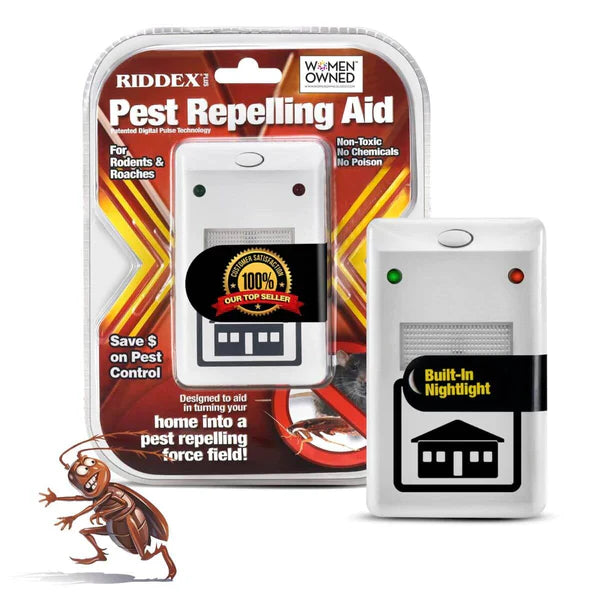
Electronic pest control can provide continuous, chemical-free support as part of a well-rounded home defense routine. Our Riddex plug-in devices are designed for residential and commercial spaces, offering electronic, ultrasonic, electromagnetic, and natural pest-repelling solutions that fit alongside practical prevention steps.
No single method should carry the whole burden. A clean kitchen does not close a gap around a utility line, and a sealed entry point does not remove every damp area or hidden food source. Combining sanitation, exclusion, moisture management, monitoring, and electronic pest control gives you more than one line of defense.
Placement and consistency matter with plug-in devices. We recommend following product instructions for room coverage and use, then considering the areas where activity or entry risk is most likely. Larger homes, separate living spaces, multiple levels, garages, and basements may require a more thoughtful coverage plan than a small, single-level space.
For severe, ongoing, or potentially hazardous infestations, a qualified pest-management professional can help assess the situation. Continued attention to the conditions that allowed the problem to develop remains important, even after professional support is involved.
Build a Stronger Pest Defense This Fall
Cleanliness is still a meaningful part of pest prevention, but it is not a complete barrier. A more realistic approach looks at the whole home: what pests can eat or drink, where they can hide, how they get inside, and how changing weather affects their behavior.
This fall, focus on a simple routine: inspect the exterior, watch for moisture issues, refresh food-storage habits, monitor high-risk rooms, and use electronic pest control consistently as part of a chemical-free defense plan. A clean home matters, but a layered plan gives you a better way to respond when pests refuse to take the hint.
Strengthen Your Pest Defense Without Chemicals
Riddex offers electronic pest control designed to support a cleaner, more complete approach to household pest management. Our electromagnetic solutions are easy to incorporate into your regular home routine and help address pests where they may be hiding. If you have questions about choosing the right option, contact us for guidance.